
A century of one design · 1929-2029
The International Dragon Class
Drawn by Johan Anker in 1929, and still one of the most elegant keelboats afloat: around 1,400 registered in 28 countries.
The International Dragon, or simply “The Dragon”, was designed by Johan Anker in 1929 as an entry for a competition run by the Royal Yacht Club of Gothenburg to find a small keelboat for simple weekend cruising among the islands and fjords of the Scandinavian seaboard. The original design had two berths and was ideally suited for cruising in his home waters of Norway. The boat quickly attracted owners, and within ten years it had spread all over Europe.
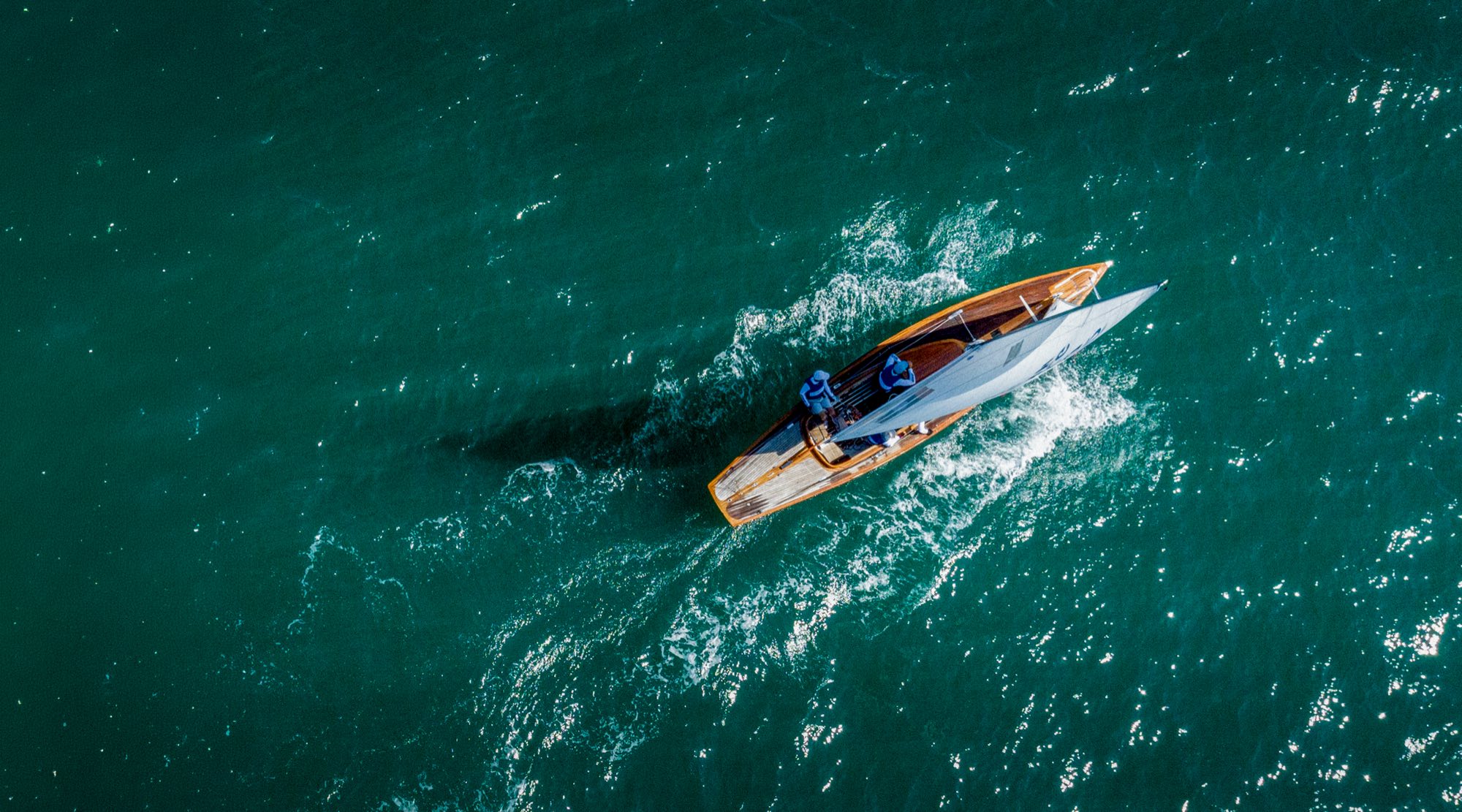
The Dragon’s long keel and elegant metre-boat lines remain unchanged, but today Dragons are constructed using the latest technology to make the boat durable and easy to maintain. GRP (glass-reinforced polymer) is the most popular material, but new and old wooden boats regularly win major competitions while looking as beautiful as any craft afloat. Exotic materials are banned throughout the boat, and strict rules are applied to all construction areas to ensure a level playing field.
The key to the Dragon’s enduring appeal lies in the careful development of its rig. Its well-balanced sail plan makes boat handling easy for lightweights, while a controlled development process has produced one of the most flexible and controllable rigs of any racing boat. Around 1,400 Dragons are registered worldwide in 28 countries, and the busy regatta schedule is a testament to the boat’s enduring popularity.
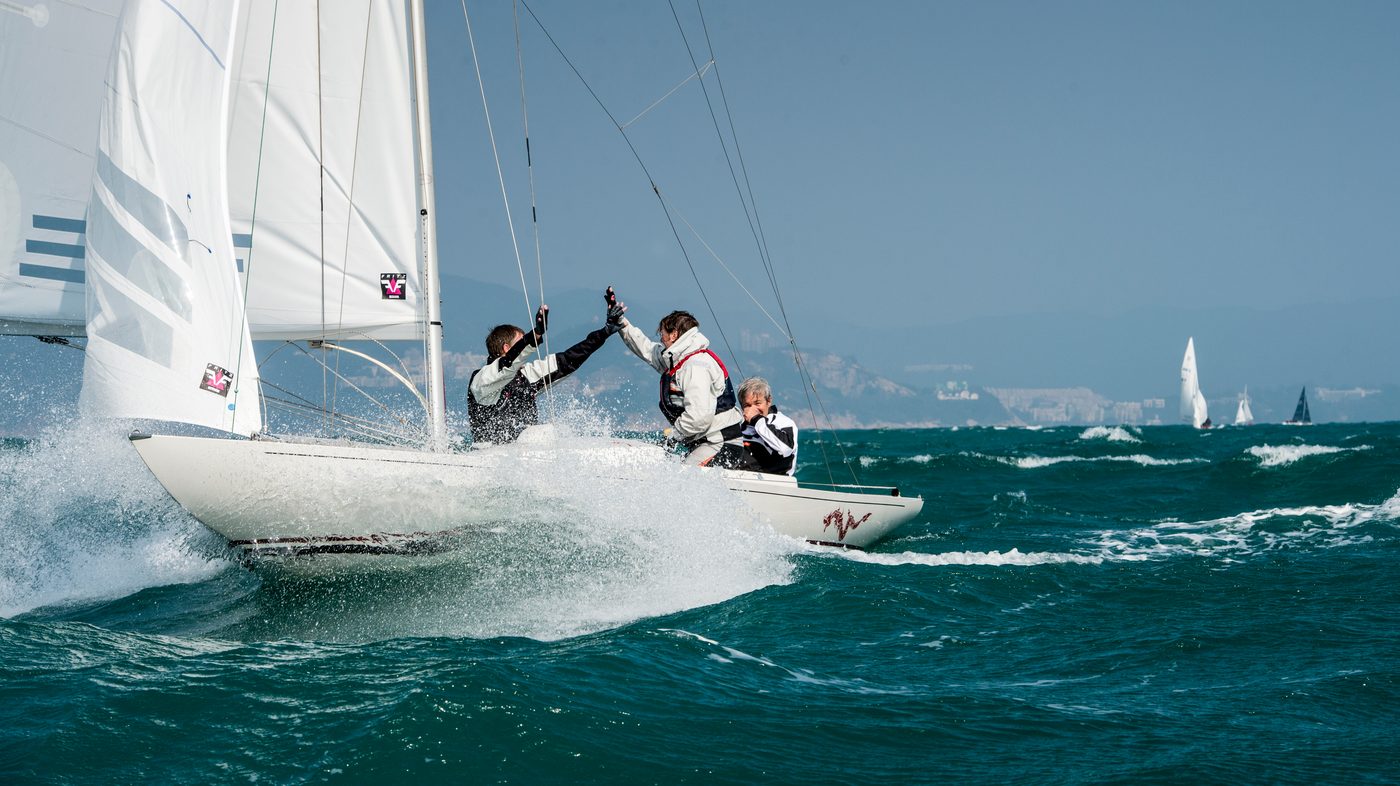
The Class regularly attracts 70-80 boats at the World Championship, held every odd year. The European Championships are held every even year. The Gold Cup, which can only be held in certain specified European countries, is unique in that all six races count without discard. It is held annually and has attracted over 100 entries, usually starting in one fleet.
The Dragon Class at the Royal Hong Kong Yacht Club
Mostly taken from “Eastern Waters Eastern Winds, a history of the RHKYC”, published November 1993 by the RHKYC.
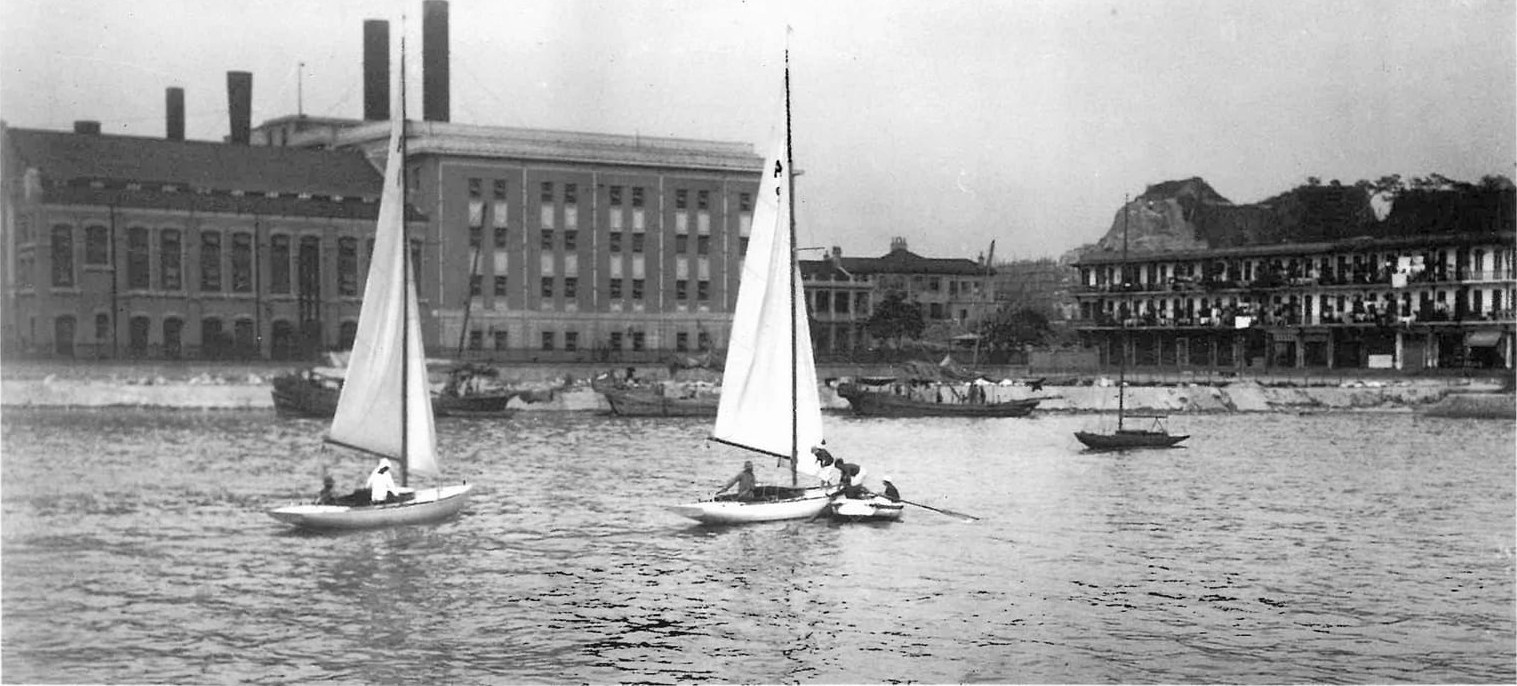
Two ‘A’ Class yachts off the RHKYC’s premises at North Point on 10th April, 1933.
Opening Regatta 1932
Just two years after being designed by Johan Anker, the Dragon class was announced in Hong Kong. At the AGM on 4 November 1931, members were told a very reasonable fee would be charged for building each boat. The Opening Regatta for the 1932/33 season took place under perfect weather. Eight new Anker Class yachts, built by the Hongkong & Whampoa Dock Company, made their debut over a five-mile course. Joss, helmed by Mr Karsten Larssen, finished first. By season’s end, 11 ‘A’ boats were active in Hong Kong.
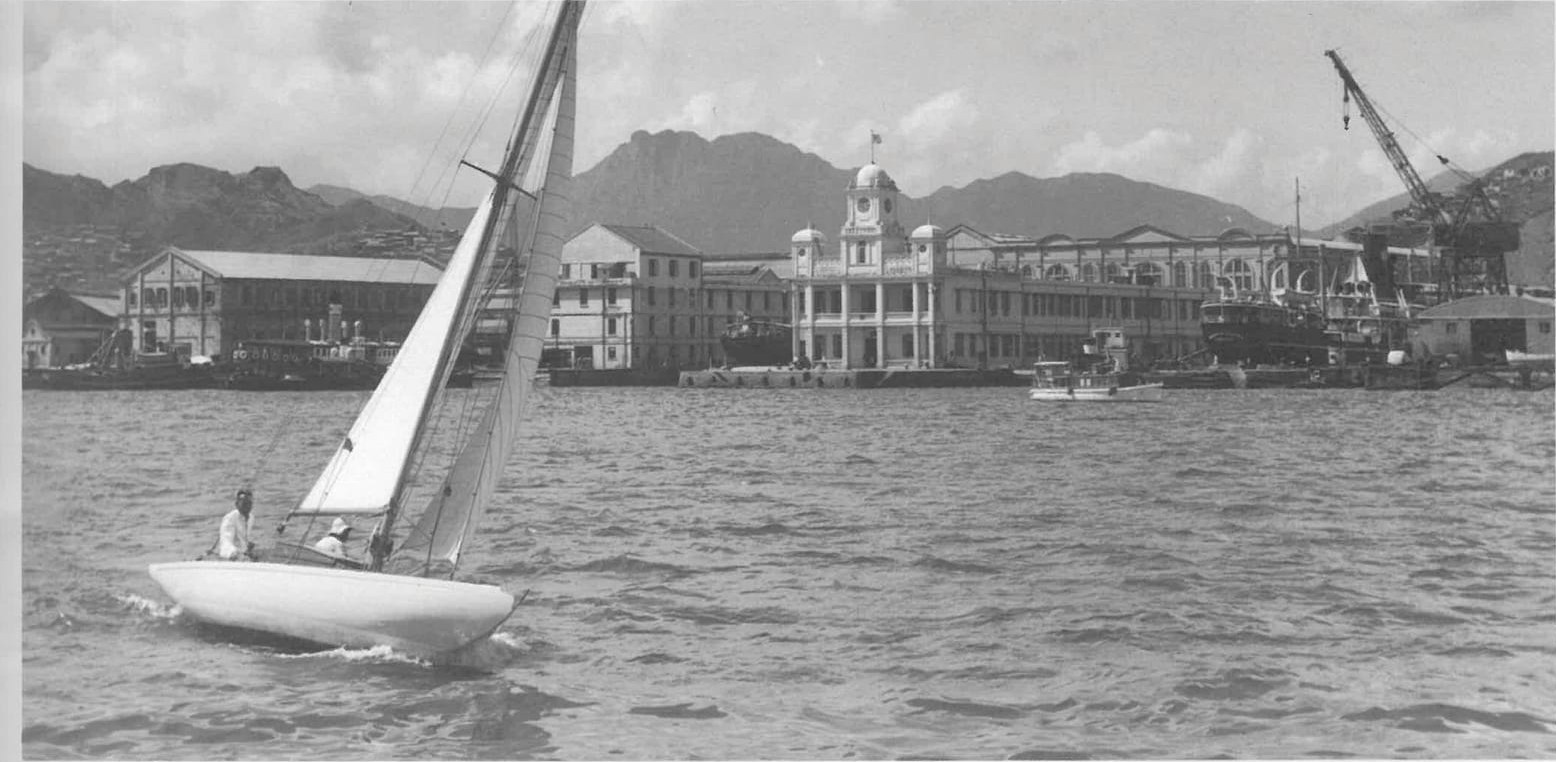
The Dragon D6, owned by Captain Krogh-Moe, sailing in the harbour circa 1950 off Tantallon Terrace and the Hong Kong Whampoa Dockyard.
Revival of Racing after WWII
By 1939 the racing fleet consisted of 18 ‘A’ Class boats, but none survived the Second World War. After the war the return of the Dragon Class generated excitement at the Club. The new Dragons featured a modern rig and sail plan capable of carrying genoas, built by the Hongkong & Whampoa Dock Company. Six Dragons were built at £5,000 each, with a seventh donated to the Club. By the 1948/49 season, ten Dragons were ready for an active racing programme.
Chang Dragons and the World Championship 1987
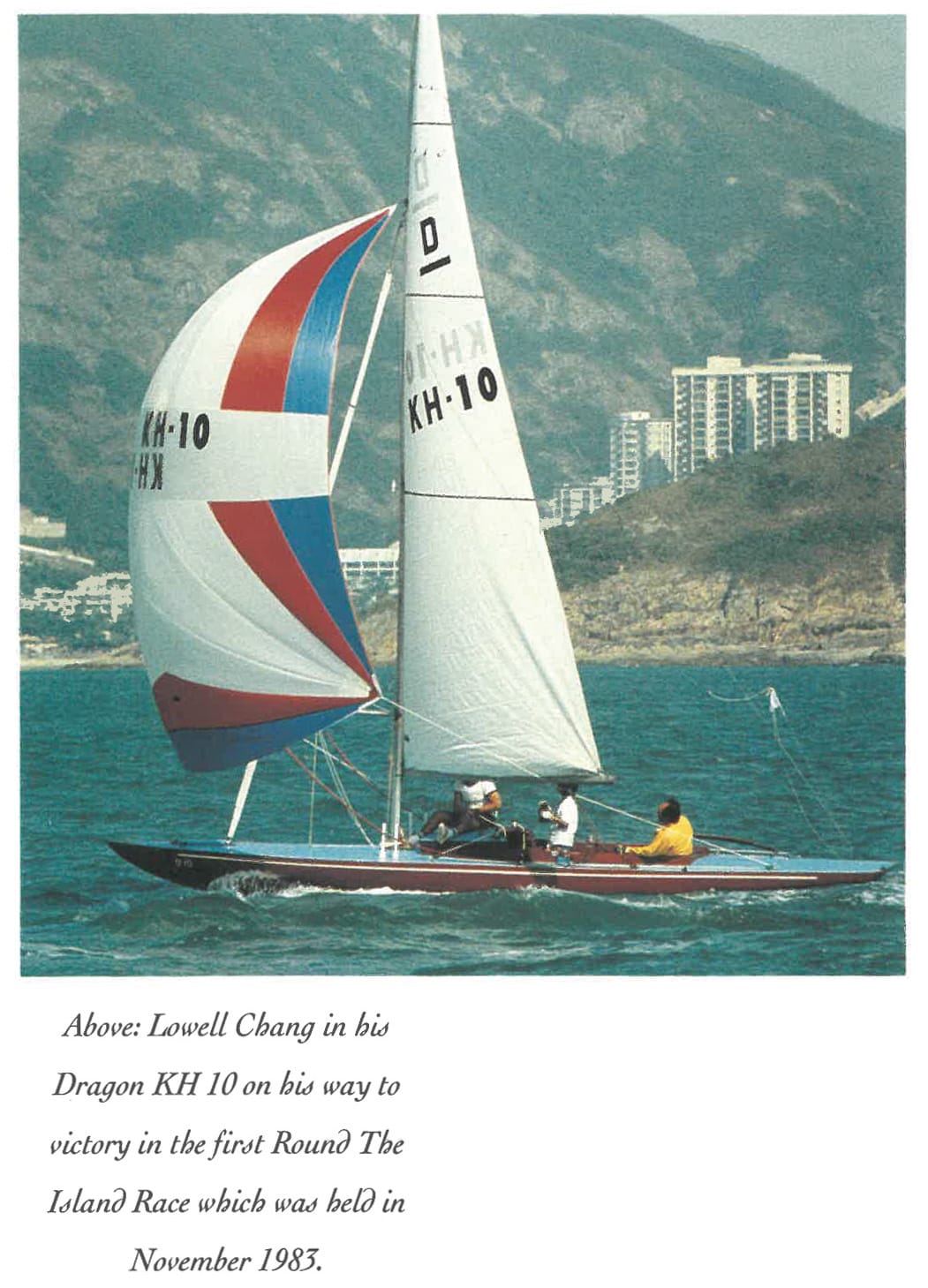
In early 1987, Lowell Chang and Nick Burns took part in the World Championships in Geelong, Australia. Excitement surged when one of two fibreglass Chang Dragons, built by Lowell in Hong Kong, claimed the World title, helmed by Valdemar Bandolowski of Denmark. The first fibreglass Dragon in Hong Kong, D18, was launched in early 1986. “I was incredibly proud that we in Hong Kong managed to create a precisely spec’d Class boat that won the World Championship on its first attempt,” Lowell Chang remarked later.